
Clean energy and sustainability have long guided the career of Ravi Pandit, founder of HRIDAY Energy Network. In a reflective piece published on January 14, 2026, Pandit explains why he moved from visionary ideas about a green future to creating a practical, people-centered initiative rooted in India’s land and communities.
Pandit’s passion for sustainable technology began with his work at KPIT Technologies, where he focused on intelligent, eco-friendly mobility. Over time, he realized that true environmental progress must go beyond high-tech solutions — it must be deeply connected to land, livelihood, and local realities.
A pivotal question shaped his thinking: “What if hydrogen, a promising clean fuel, could be grown instead of manufactured?” Conventional green hydrogen — created through electrolysis powered by renewables — faces challenges like intermittency, high cost, and storage issues. Instead, Pandit saw a huge opportunity in biomass, plant matter that can be grown on India’s abundant degraded lands without displacing food crops.
This insight led to the founding of HRIDAY Energy Network — short for Hydrogen Revolution for India’s Development of Agriculture and Energy. HRIDAY is a Section-8 not-for-profit organization working to build an inclusive ecosystem where biomass-derived fuels — like Bio-H2 (biohydrogen) and bio-coal — can replace diesel and fossil fuels in mobility and industry.
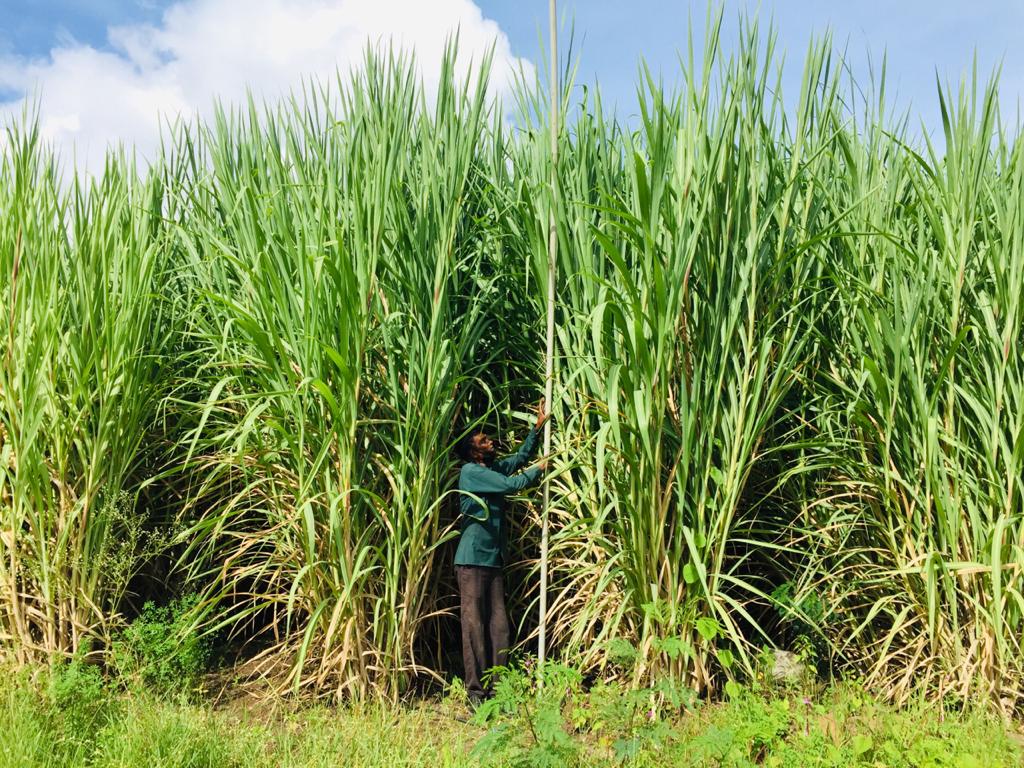
Unlike conventional hydrogen pathways, the HRIDAY model uses high-yield energy crops such as energy cane on millions of hectares of degraded land — land that isn’t used for food production — to generate sustainable biomass. This approach can:
• Create a clean, indigenous energy value chain,
• Restore degraded land and strengthen green cover,
• Generate year-round rural employment and stable incomes for farmers.
Early pilot projects reflect promising potential: a cluster on 1,000 acres can support over 1,200 acres of continuous cultivation, produce significant quantities of bioenergy and green hydrogen, and help generate rural livelihood opportunities.
Pandit emphasizes that HRIDAY isn’t just about energy technology — it’s about people. From partnerships with local farmer groups and NGOs to collaboration with research institutes and industry players, the initiative focuses on strengthening rural communities while tackling climate challenges.
Looking ahead, Pandit invites individuals, institutions, and global members of the Indian diaspora to join in building a clean energy future that’s equitable, locally grounded, and resilient — because sustainable solutions, he argues, must grow from the ground up.
📌 Key Facts to Include
- Author & Initiative: Ravi Pandit, Founder of HRIDAY Energy Network (Hydrogen Revolution for India’s Development of Agriculture and Energy).
- Publication Date: January 14, 2026, on Indiaspora.org.
- Goal of HRIDAY: To build a biomass-based sustainable energy ecosystem in India that supports clean fuel production, rural development, and indigenous solutions.
- Approach: Using degraded land for energy crop cultivation to generate Bio-H2 and bio-coal, linking clean energy production with rural livelihoods.
- Community Impact: Projects produce renewable fuel while creating jobs and income opportunities for farmers through assured biomass supply chains.