
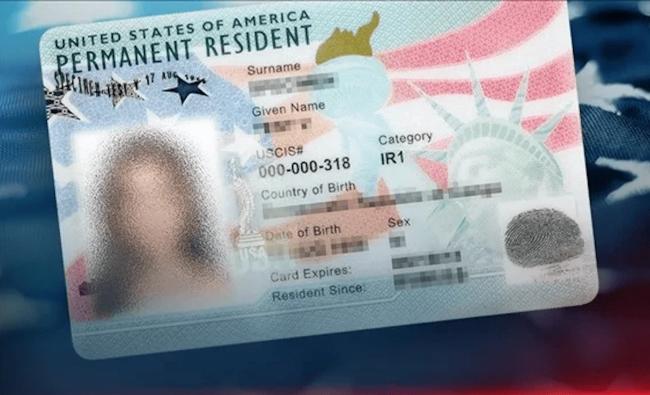
In one of the most significant immigration policy changes in decades, the Trump administration has announced a major overhaul to the U.S. green card application process—one that is expected to have an outsized impact on Indian technology professionals awaiting permanent residency.
If you’re an Indian national working in the U.S. on an H-1B or similar visa, here’s what you need to know—and how to prepare.
🔍 What Changed? The Core Policy Shift
Before: “Adjustment of Status” from Within the U.S.
✅ Foreign nationals could apply for a green card while legally residing and working in the United States
✅ Applicants maintained employment authorization, travel flexibility, and family stability during multi-year processing
✅ Spouses and children could remain in the U.S. on dependent visas while the principal applicant waited
After: Consular Processing Required
❌ Most foreign nationals—including skilled workers—must now return to their home country to complete green card processing through U.S. consulates abroad
❌ Temporary visa holders can no longer use their U.S. stay as a direct pathway to permanent residency, except in “extraordinary circumstances”
❌ Pending applications may be re-evaluated individually, creating uncertainty for thousands already in the system
“We are returning to the original intent of the law.”
— Zach Kahler, USCIS Spokesman
🎯 Why Indian Tech Workers Are Disproportionately Affected
📊 The Numbers Tell the Story
- 🇮🇳 Indian nationals represent ~70% of all employment-based green card applicants in the U.S.
- ⏳ EB-2 and EB-3 category applicants from India face backlogs exceeding 10–20 years due to per-country visa caps
- 💼 Thousands of Indian professionals in tech, engineering, healthcare, and finance have built careers and families in the U.S. while awaiting approval
🔗 The Domino Effect
| Impact Area | Consequence for Indian Applicants |
|---|---|
| Employment Continuity | Risk of losing U.S. work authorization if forced to depart during processing |
| Family Stability | Spouses on H-4 visas and U.S.-schooling children face potential separation or disruption |
| Financial Planning | Mortgages, leases, investments, and long-term commitments become harder to manage amid uncertainty |
| Career Trajectory | Employers may hesitate to sponsor or promote workers facing potential overseas processing delays |
⚖️ What About Pending Applications?
The administration has not yet clarified how the new rule applies to the hundreds of thousands of adjustment-of-status applications already filed.
🔹 USCIS states officers will evaluate cases individually
🔹 Exceptions may be granted for applicants providing “economic benefit” or serving the “national interest”
🔹 However, no clear criteria have been published for what qualifies as “extraordinary circumstances”
📌 Pro Tip: Immigration attorneys recommend documenting your contributions to U.S. innovation, job creation, or critical infrastructure—these may strengthen a future exemption request.
💼 How This Could Reshape Corporate Hiring
For Employers:
✅ May become more cautious about sponsoring employees for permanent residency
✅ Could prioritize candidates with shorter green card wait times (e.g., non-India-born applicants)
✅ Might increase reliance on temporary visas or offshore talent models
For Indian Tech Professionals:
⚠️ Negotiate early: Discuss immigration strategy during job offers
⚠️ Document impact: Keep records of projects, patents, leadership roles, and community contributions
⚠️ Explore alternatives: Consider EB-1 (extraordinary ability), NIW (National Interest Waiver), or O-1 visa pathways where eligible
⚠️ Stay informed: Monitor USCIS policy memos, visa bulletins, and legal updates closely
🌐 Broader Context: A Tightening Immigration Landscape
This policy change arrives amid a wider shift in U.S. immigration enforcement under the second Trump administration:
🔹 Expanded biometric screening and vetting procedures
🔹 Stricter “public charge” interpretations affecting eligibility assessments
🔹 Enhanced social media monitoring for “anti-American” or “antisemitic” content (per Brennan Center reporting)
🔹 Increased scrutiny of H-1B, L-1, and other employment-based visa categories
Immigration advocates warn that the cumulative effect raises both the financial cost and procedural complexity of securing permanent residency—potentially deterring skilled talent from pursuing U.S. careers long-term.
🗣️ Voices from the Community
“We’ve spent 12 years building our lives here—our kids were born in California, our careers are rooted in Silicon Valley. Being told we might have to leave to finish a process we started in good faith feels like moving the goalposts.”
— Anonymous Software Engineer, Bay Area
“This isn’t just about policy—it’s about people. Families, innovations, and contributions that could be lost if talented professionals choose more predictable pathways abroad.”
— Immigration Attorney, New York
✅ Action Steps for Indian Applicants Right Now
1️⃣ Consult an experienced immigration attorney—don’t rely on informal advice or social media rumors
2️⃣ Review your priority date and visa category via the USCIS Visa Bulletin
3️⃣ Gather evidence of your U.S. contributions: employment letters, tax records, patents, publications, community service
4️⃣ Discuss contingency plans with your employer: remote work options, international assignments, or sponsorship alternatives
5️⃣ Prepare family members: Ensure dependent visas, school enrollments, and healthcare coverage have backup plans
6️⃣ Stay updated: Follow USCIS announcements, reputable immigration news sources, and professional networks like AILA (American Immigration Lawyers Association)
🔮 Looking Ahead: What Could Change?
While the policy is now in effect, several factors could influence its implementation:
🔸 Legal challenges: Advocacy groups may file lawsuits arguing the rule exceeds statutory authority
🔸 Congressional action: Bipartisan immigration reform could override or modify executive guidance
🔸 Agency discretion: Future USCIS leadership may adjust interpretation or enforcement priorities
🔸 Economic pressures: Talent shortages in critical sectors could prompt business-led advocacy for flexibility