
Govardhan Puja
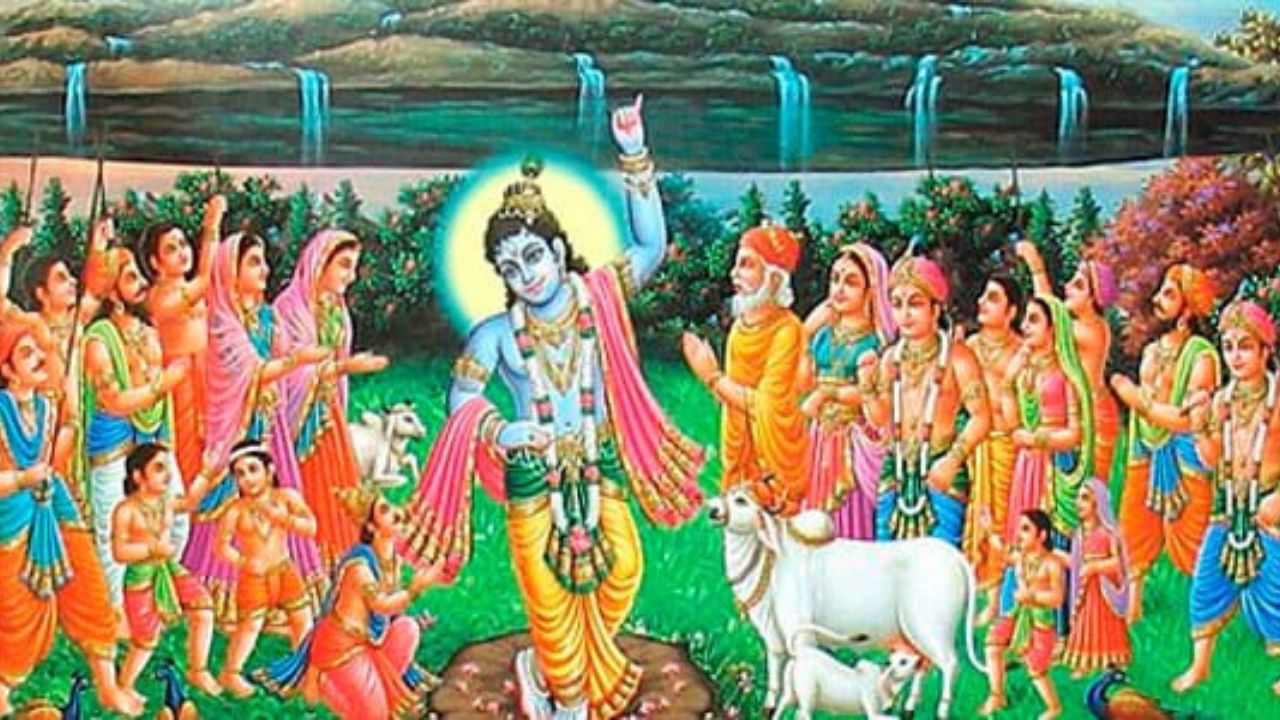
🌄 Govardhan Puja – Celebrating Lord Krishna’s Devotion and Nature’s Grace
Govardhan Puja, also known as Annakut Puja, is a revered Hindu festival celebrated on the fourth day of Diwali. It marks the day when Lord Krishna lifted the Govardhan Hill to protect the people of Gokul from torrential rains sent by Lord Indra. The festival symbolizes devotion, gratitude, and the harmonious relationship between humans and nature.
🗓️ When is Govardhan Puja Celebrated?
Govardhan Puja is observed on the Pratipada Tithi of the Shukla Paksha (first day of the waxing moon) in the Hindu month of Kartik — usually falling in October or November, a day after Diwali.
🙏 The Legend Behind Govardhan Puja
According to Hindu mythology, the people of Gokul once prepared grand offerings for Lord Indra, the god of rain, to seek his blessings for good harvests. However, young Lord Krishna convinced them to worship Mount Govardhan instead, explaining that it nourished their lands, provided grass for their cattle, and sustained their livelihoods.
Angered by this, Lord Indra unleashed heavy rains and thunderstorms upon Gokul. To protect the villagers and animals, Krishna lifted the entire Govardhan Hill on his little finger, providing them shelter for seven days. Realizing his mistake, Indra bowed to Krishna, and peace was restored. This act symbolizes the victory of humility and devotion over pride and arrogance.
🌾 Rituals and Celebrations
- Annakut (Mountain of Food)
Devotees prepare a vast variety of vegetarian dishes — sometimes numbering 56 (called Chappan Bhog) — and offer them to Lord Krishna as a gesture of gratitude. The food is then distributed as prasad among family and devotees. - Govardhan Parikrama
Pilgrims visit Govardhan Hill in Mathura, Uttar Pradesh, and perform parikrama (circumambulation) of the hill, covering a distance of around 21 kilometers. It is believed to bring prosperity, protection, and divine blessings. - Worship of Cow and Nature
Cows, considered sacred in Hinduism, are also worshipped on this day. Their horns are decorated, and they are fed special treats, symbolizing the importance of animals and the environment in sustaining life. - Building the Govardhan Symbol
In many homes and temples, devotees create small replicas of Govardhan Hill using cow dung, flowers, and clay, decorated with lamps and offerings.
🌞 Spiritual Significance
Govardhan Puja conveys a timeless message — that true worship lies in respecting and preserving nature. Lord Krishna’s teaching reminds devotees to live with humility, serve others, and remain grateful for the Earth’s blessings.
It also marks the beginning of the New Year for business communities in some regions, symbolizing renewal and prosperity.
🎉 How Govardhan Puja is Celebrated Across India
- In Mathura and Vrindavan, massive Annakut offerings are made in temples, with melodious bhajans and Krishna Leela performances.
- In Gujarat and Maharashtra, business owners perform Govardhan and Vishwakarma Puja to invoke success and good fortune.
- In North India, homes are decorated with lamps, and miniature Govardhan hills are worshipped with sweets, flowers, and cow dung offerings.
✨ Conclusion
Govardhan Puja is not just a celebration of a mythological event — it is a reminder of our eternal bond with nature and the divine. It teaches us that faith, humility, and gratitude are the greatest forms of devotion. As Lord Krishna showed, protecting and honoring nature is the truest way to please the divine.
Related Links
- Annakut (Mountain of Food)