
Pitru Paksha
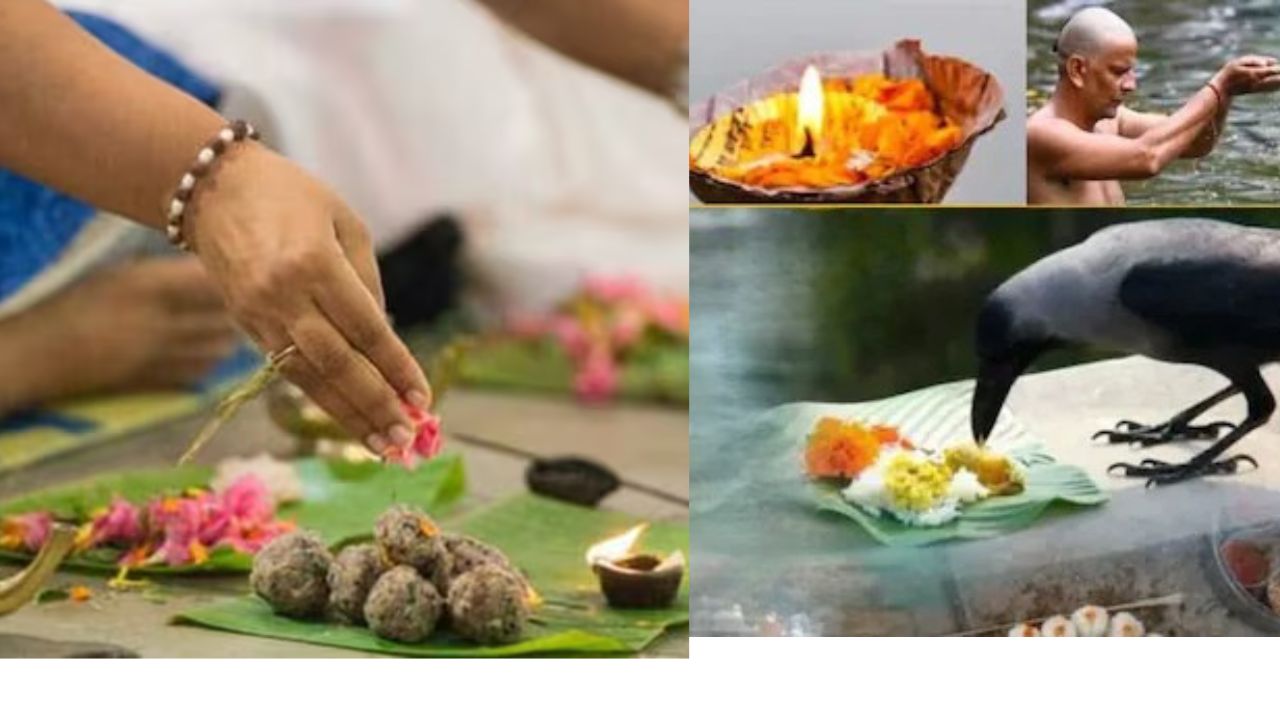
Pitru Paksha – Annual Ritual of Honoring Ancestors
Pitru Paksha, also known as the Fortnight of the Ancestors, is one of the most significant periods in the Hindu calendar. This sacred 16-day lunar phase is dedicated to honoring and remembering our forefathers through rituals known as Shradh. Every year, millions of Hindus across the world observe Pitru Paksha with devotion, believing that by performing these rites, they offer peace to the departed souls and seek their blessings for the well-being of the family.
Meaning and Timing of Pitru Paksha
Pitru Paksha falls during the Krishna Paksha (waning phase of the moon) in the lunar month of Bhadrapada or Ashwin (September–October in the Gregorian calendar). The term Pitru means “ancestors,” and Paksha means “fortnight.” This period is considered the most auspicious time of the year to perform rituals for the ancestors, as it is believed that their souls visit the earth during this phase to receive offerings from their descendants.
Why Pitru Paksha is Observed
The observance of Pitru Paksha is deeply rooted in gratitude and the spiritual philosophy of Sanatana Dharma. Hindus believe that we owe a debt, called Pitru Rin, to our ancestors for giving us life and lineage. Performing Shradh and offering food during Pitru Paksha repays this debt and helps the departed souls attain peace and liberation (moksha).
It is also believed that when ancestors are satisfied and bless the family, obstacles in life are removed, family harmony improves, and prosperity is attracted.
Key Rituals of Pitru Paksha
1. Tarpan (Water Offering)
Tarpan is the ritual of offering water mixed with black sesame seeds, barley, and kusha grass while chanting mantras for the ancestors. It is performed near a river, pond, or at home.
2. Pinda Daan (Offering of Rice Balls)
Pinda Daan involves offering cooked rice balls (pindas) along with sesame seeds, honey, and ghee. The pindas represent the physical body of the ancestors and symbolically nourish their souls.
3. Shradh Ceremony
The main Shradh ritual includes preparing special satvik (pure vegetarian) food without onion and garlic, and then offering it to the ancestors before partaking in it.
4. Brahmin Bhojan and Dakshina
After the Shradh, food is served to Brahmins or poor people. Donations and gifts (dakshina) are given to seek blessings and complete the ritual.
5. Offering Food to Animals and Birds
Food is also offered to cows, crows, and dogs, who are considered messengers of ancestors in Hindu tradition.
Who Should Perform Pitru Paksha Rituals
Traditionally, the eldest son of the family performs Shradh. However, if there is no son, a male relative, daughter, or even a daughter-in-law can perform the rituals with proper guidance from a priest.
Do’s and Don’ts During Pitru Paksha
✅ Do’s:
Perform daily prayers and maintain cleanliness and purity.
Prepare fresh, vegetarian food and offer it to ancestors with devotion.
Help the needy, donate food, and feed animals as part of the ritual.
❌ Don’ts:
Avoid starting new ventures, marriages, housewarmings, or other auspicious ceremonies.
Avoid cutting nails, hair, and wearing new clothes.
Avoid eating non-vegetarian food, alcohol, or onion-garlic dishes during this period.
Spiritual and Cultural Importance
Pitru Paksha is more than a ritual – it is a reminder of the cycle of life and the continuity of generations. It strengthens family bonds and reinforces the value of gratitude. By remembering our ancestors, we stay connected to our roots and pass this tradition on to future generations.
Conclusion
Observing Pitru Paksha every year is a way of acknowledging that our existence is a gift from those who came before us. By performing Shradh, Pinda Daan, and Tarpan with devotion, we honor their memory, pray for their peace, and invite their blessings into our lives.
Whether you perform it at home or visit a sacred place like Gaya, Prayagraj, Haridwar, or Varanasi, the essence of Pitru Paksha remains the same — gratitude, remembrance, and respect for our lineage.
Related Links